Solution 02 / 09

Artificial turf

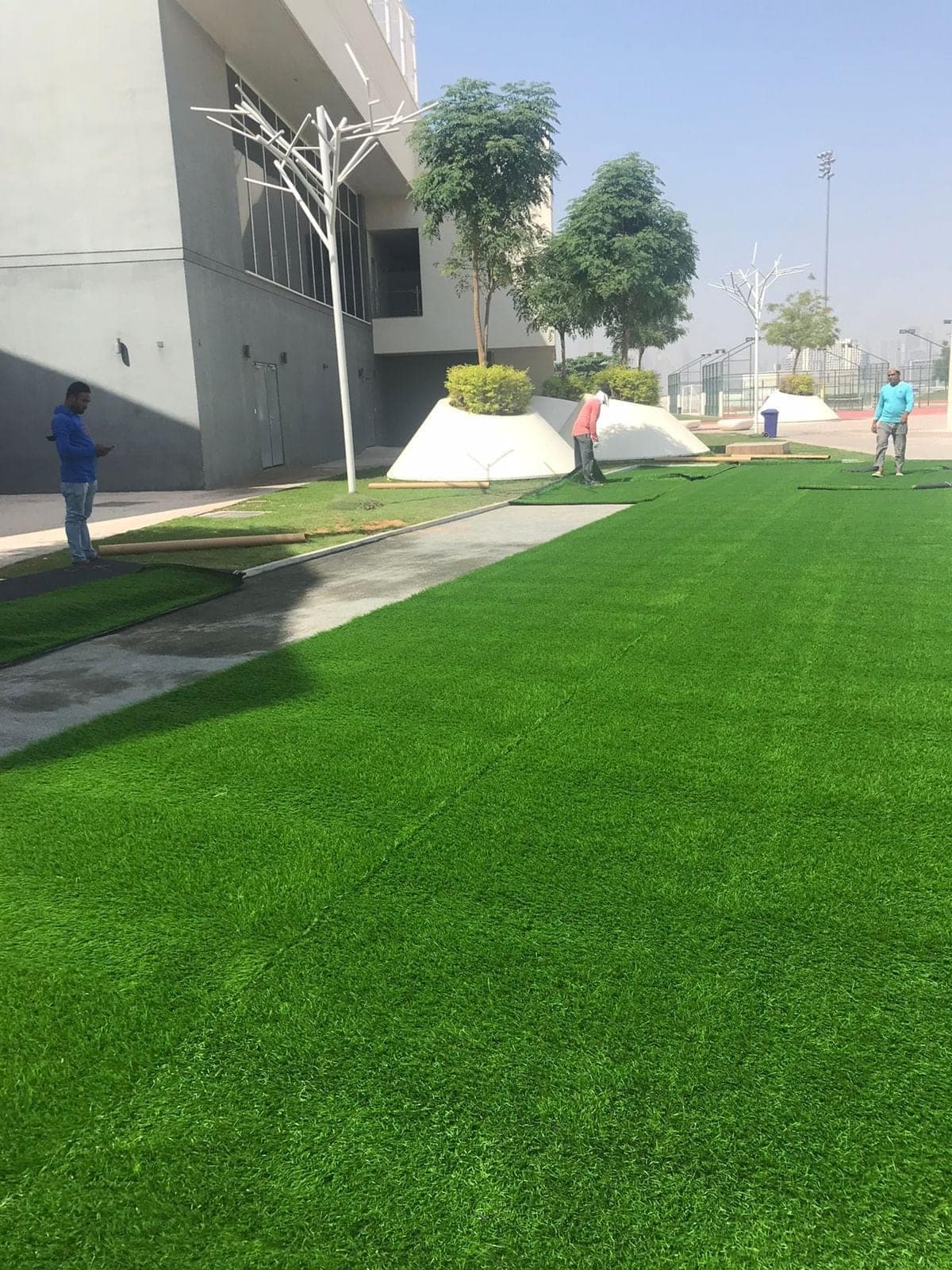
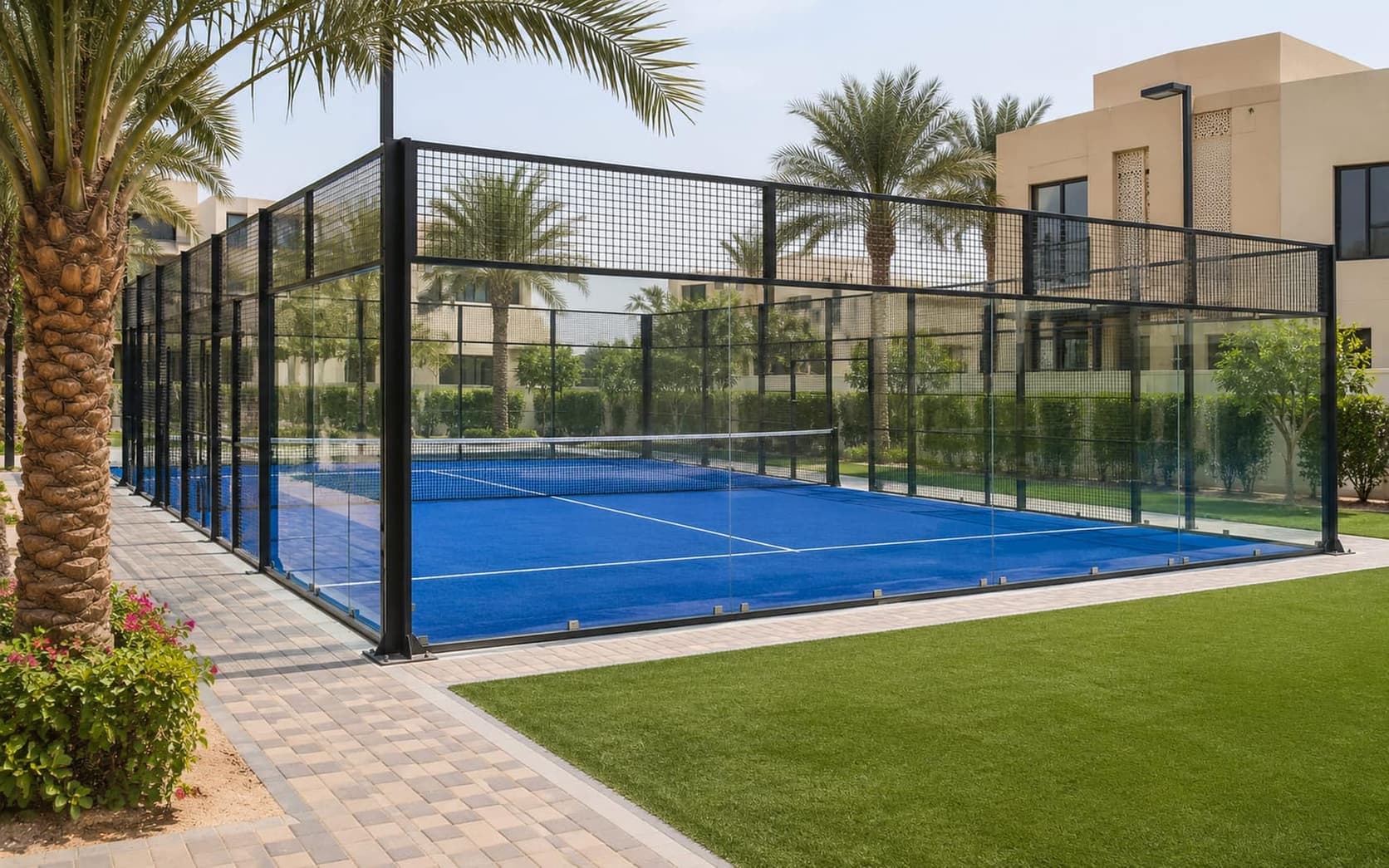
Artificial turf gives a consistent green surface where natural grass is impractical. The right product depends on how it will be used: high-wear football, decorative landscaping or a gym sled track all call for different fibres, pile and infill choices.

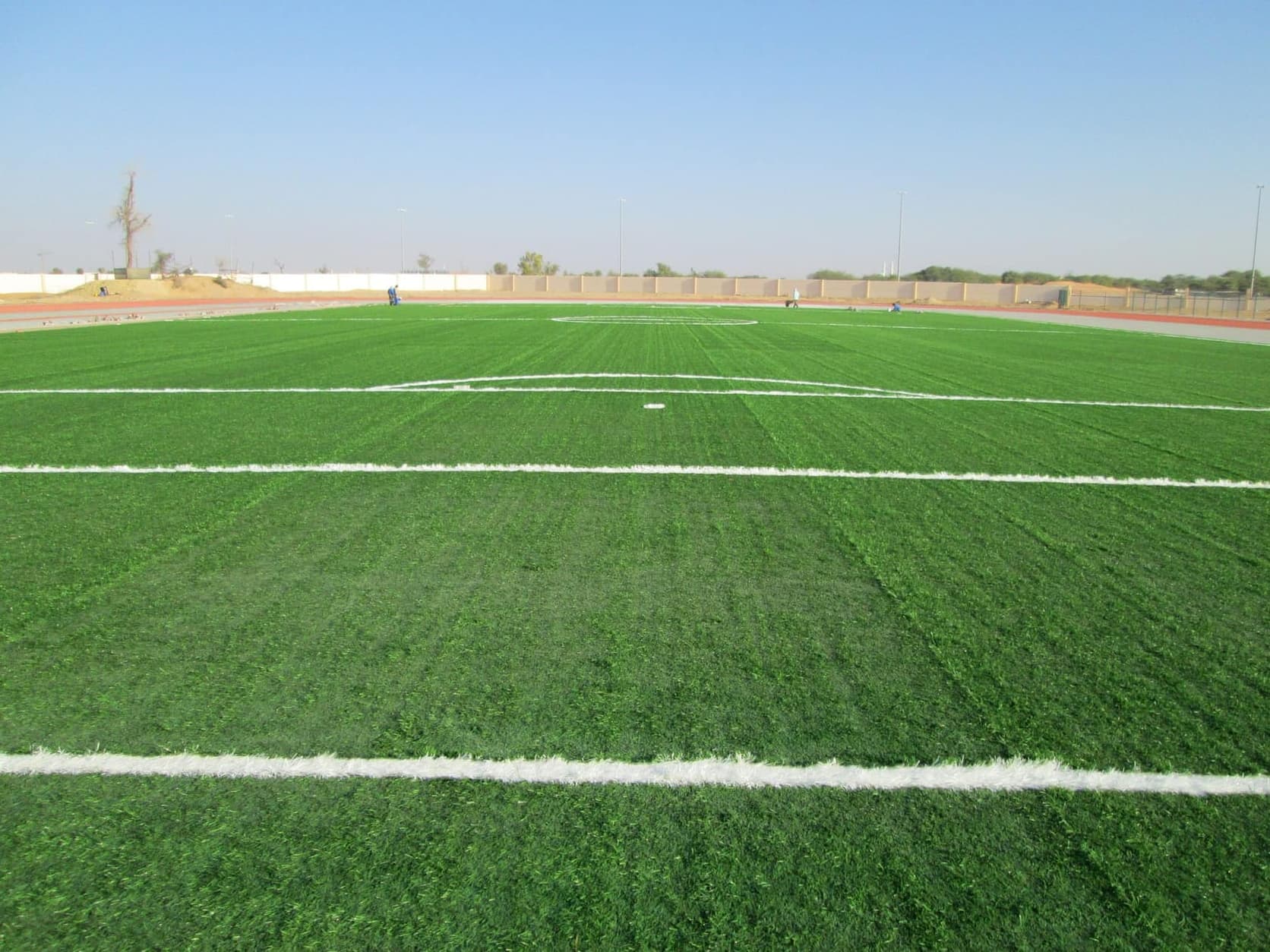
A wide artificial turf football pitch with white markings.
Reliance Sports project

Where it is used

  • Football pitches and five-a-side areas
  • School and nursery play spaces
  • Landscaping, gardens and rooftops
  • Gym training lanes and functional fitness zones

Options

Sports turf
Selected for ball roll, traction and wear; infill and shock pad depend on the system.
Landscape turf
Softer, natural-looking turf for gardens, terraces and decorative areas.
Gym and fitness turf
Dense, low-pile turf for sled pushes and training lanes.
Inlaid lines and logos
White or coloured lines cut and inlaid into the turf.

Product ranges and availability are confirmed for each project. Tell us what you need and we will advise on suitable options.

What we look at first

Every site is different. These are the questions that usually shape the work.

  • Stability, levels and drainage of the base
  • Whether a shock pad or infill is part of the selected system
  • Edge restraints and how the turf meets adjoining surfaces
  • Line layouts for the intended sport

How we install

  1. Prepare and compact the base to the agreed levels
  2. Lay shock pad where specified
  3. Roll out, join and secure the turf
  4. Inlay lines and add infill as the system requires
  5. Brush, inspect and hand over with maintenance guidance
See an illustrative layer build-up

Planning artificial turf?

Share the location, approximate area and how the space will be used. We will discuss suitable options and arrange a site assessment where needed.